
Straight answers, no sales pitch
Clear answers for patients who are tired of being dismissed—and tired of being sold to.
You should be able to ask hard questions about evidence, quality, cost and alternatives. Here is where we start.
Getting started
Appointments, costs & practical care
How do I request an appointment?
Call or text 480-331-5044, or use the short request form. We screen requests so we can guide you to the right clinician and visit rather than asking you to guess which procedure to book.
Do I need to know which treatment I want?
No. Tell us what you are experiencing, what you have tried and what you want to do again. The best next step may be a procedure, a comprehensive visit, rehabilitation, testing or a referral.
Do you bill insurance or provide superbills?
No. Clinic visits and procedures are not billed to insurance, and we do not provide superbills. Commercial plans often cover eligible outside labs, imaging and prescriptions according to plan rules.
Can I use HSA/FSA funds? Are payment plans or discounts available?
HSA/FSA reimbursement is common but depends on your plan. Payment plans may be available individually and through Advance Care. Discounts are available for veterans and students on qualifying services.
Can your physicians prescribe medication?
Yes. Our naturopathic physicians can prescribe most medications within their Arizona scope when clinically appropriate. We do not prescribe Schedule II medications.
I am anxious about needles. Can you work with me?
Absolutely. We treat many patients who feel nervous about injections. Tell us before your visit so we can plan ahead, explain each step, use comfort measures and discuss options to reduce anxiety before the procedure. Ultrasound guidance also helps us work precisely without unnecessary searching.
Regenerative medicine
PRP, image guidance & honest expectations
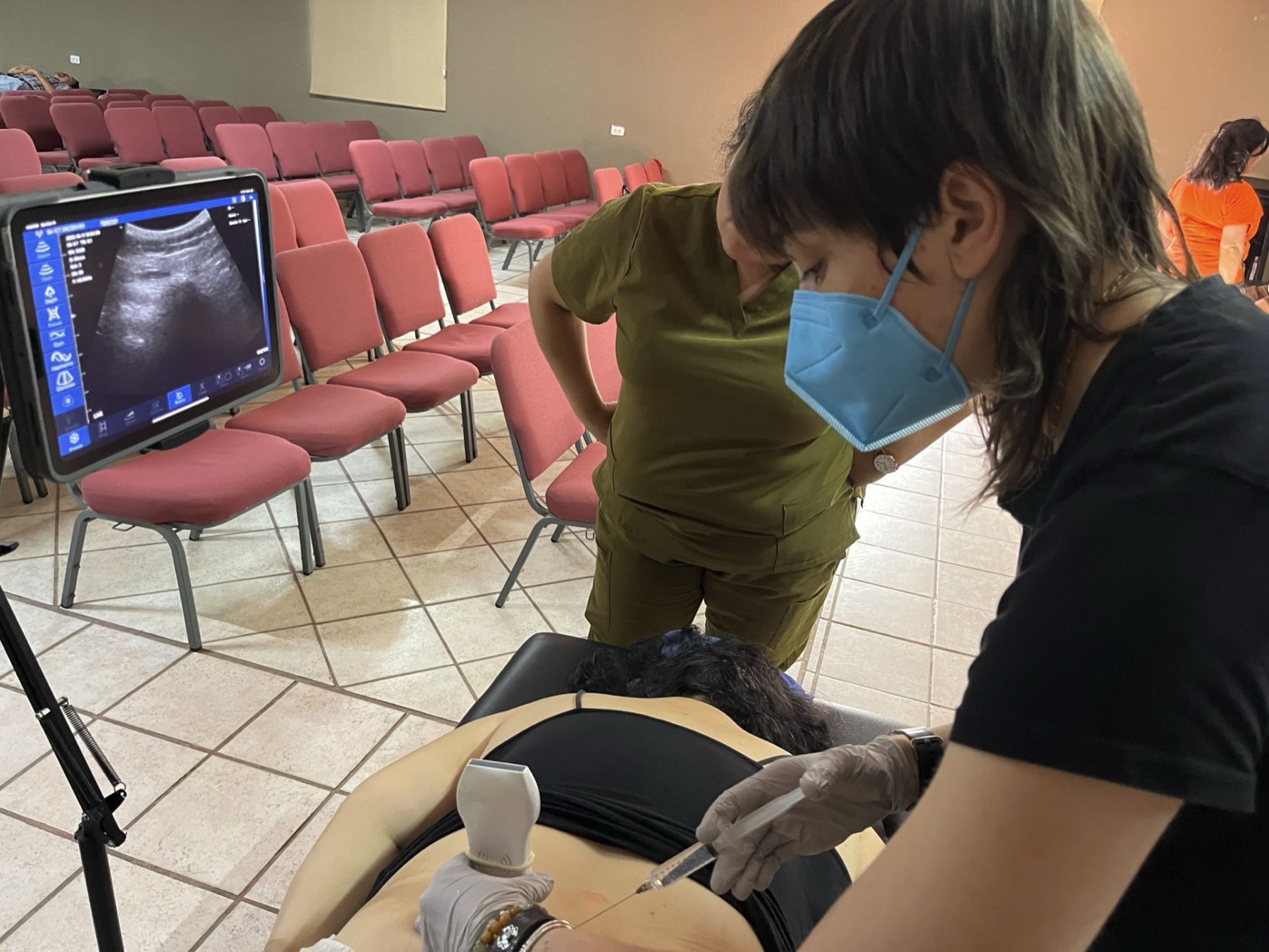
Do you use ultrasound guidance for regenerative injections?
Yes. We use real-time ultrasound for most joint, tendon, ligament and nerve injections when clinically appropriate. It helps us identify anatomy, plan a path and see placement. Benefit still depends on the diagnosis, treatment and person.
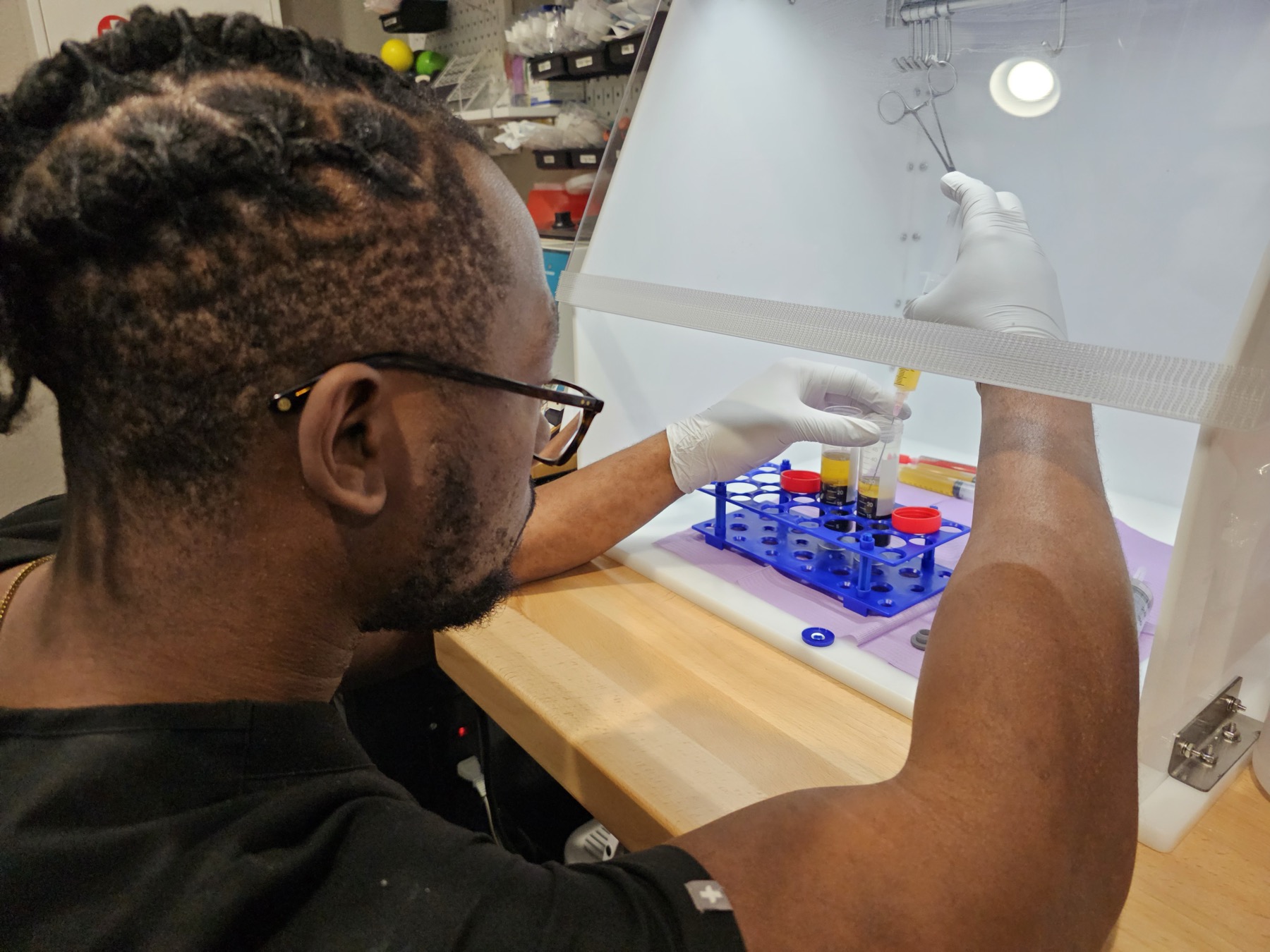
What makes one PRP treatment different from another?
PRP is not a commodity. Blood volume, preparation system, platelet dose, white- and red-cell content, sterility, diagnosis, target, image guidance, injection technique and rehabilitation can all differ. We use a substantial blood draw and prepare a concentrated, dark amber product without relying on ordinary diagnostic lab tubes.
Should PRP burn when it is injected?
Significant burning is not a badge of quality. Discomfort varies by target and technique, but preparation chemistry and red-cell contamination can influence irritation. Tell us what you feel so we can respond and keep you as comfortable as possible.
Is PRP the same as “stem cells”?
No. PRP is prepared from blood. Bone marrow aspirate concentrate and autologous adipose-tissue procedures use tissue collected from your own body. Be cautious with a vial marketed broadly as “stem cells” or exosomes: off-the-shelf products raise different identity, evidence and regulatory questions.
My MRI is normal. Can something still be wrong?
Yes. A static image may not show every source of pain, instability, nerve sensitivity or movement dysfunction. The reverse is also true: tears, bulges and degeneration are common in people without symptoms. Imaging is a map and snapshot—not the whole diagnosis.
Why did someone say “arthritis,” “bursitis” or “sciatica” when I still do not have an answer?
Those labels may be accurate but incomplete. We ask which structure is involved, what is driving irritation, whether instability or a nerve is contributing, and how the finding relates to your examination and function.
How are regenerative injections different from cortisone?
Corticosteroid injections can provide useful short-term relief in selected situations, but their risks deserve a direct conversation. Steroids can elevate blood sugar and suppress the body’s natural cortisol production; repeated or poorly selected injections may increase fracture risk and contribute to degeneration of cartilage, tendons and ligaments. Regenerative injections are chosen to support tissue health and function rather than simply suppress inflammation. We compare the diagnosis, goals, evidence and alternatives with you before recommending either approach.
Can regenerative medicine help me avoid surgery?
Sometimes a nonsurgical option is reasonable; sometimes surgery is the better path. Our expert physicians perform a thorough history and examination and offer an honest second or third opinion about your health. We strive to improve tissue health, pain and function whether or not surgery ultimately becomes necessary, and we can support preparation and recovery when surgery is the right choice.
“I tried PRP, prolotherapy or physical therapy and it did not work.” Does that rule it out?
No. There are many reasons a patient may not have responded optimally to an earlier injection, including diagnosis, product quality and dose, target selection, image guidance, technique and rehabilitation. We typically see improvement in patients who have not previously experienced our practice style: precise injections applied to support tissue integrity, combined with individualized integrative and rehabilitative care. We will also be candid when a different path makes more sense.
How long does recovery take?
It depends on the tissue, procedure, health context and goal. Regenerative care is often a slope rather than a switch. We discuss expected soreness, activity progression, rehabilitation and when it is fair to judge progress.
Naturopathic & complex care
When the usual answers have not been enough
What if my labs are “normal” but I still feel unwell?
Normal results can be reassuring, but they do not erase your symptoms. We review what was tested, timing, trends, medications, sleep, nutrition, hormones, stress physiology and the physical examination.
What does “root cause” mean here?
It means looking for modifiable contributors without pretending every symptom has one hidden culprit. The goal is a prioritized explanation: what we know, what remains uncertain, what can be changed now and how we will evaluate the response.
Do you use only natural treatments?
No. We use the tool that best fits the situation and your preferences: nutrition, movement, botanical medicine, professional-grade supplements, prescriptions, procedures and specialist collaboration.
Why professional-grade supplements instead of Amazon?
We use supplements from Fullscript, a leading professional distributor, because the products are independently tested, professionally formulated for clinical use and kept within a traceable professional supply chain. That protects patients from the counterfeit and poorly handled product risk found on open marketplaces such as Amazon. We recommend only what has a clear purpose in your plan.
How do you approach hypermobility, POTS-like symptoms, mast-cell concerns or cervical instability?
These concerns often overlap, but no single mechanism or protocol fits every patient. We take a broad history, examine stability and movement, review cardiovascular, neurologic, allergic and digestive patterns, and build a tailored combination of treatments around the individual patient. Your plan may combine stabilization, regenerative care, nervous-system support, nutrition, medications, lifestyle strategies and appropriate referrals—selected and sequenced specifically for you.
How do you approach migraines?
We screen for warning signs, then consider sleep, hormones, nutrition, medications, jaw or neck mechanics and nerve irritation. Options may include nutrients, botanicals, prescriptions, therapeutic neuromodulators, cervical regenerative procedures, nerve hydrodissection or intranasal dextrose techniques when appropriate.
Nervous system & trauma
Stellate ganglion block
What is a stellate ganglion block?
It is an image-guided injection near part of the sympathetic nervous system in the neck. It has established medical uses and is also being studied for trauma-related symptoms, anxiety, dysautonomia and some pain conditions.
Can SGB help PTSD or anxiety?
Research has shown encouraging improvement in several PTSD symptom clusters, particularly hyperarousal and reactivity. We look at your history, current support system and goals, then track sleep, triggers, mood and daily function after treatment.
Where can I learn more about SGB and trauma?
The Invisible Machine by Dr. Eugene Lipov and Jamie Mustard is an accessible introduction to trauma physiology and the clinical story of stellate ganglion block.
Hormones & sexual wellness
Private questions deserve complete answers
What symptoms might prompt a hormone evaluation?
Cycle changes, PMS or PMDD symptoms, hot flashes, sleep disruption, low energy, mood changes, libido concerns, body-composition changes and changes in tissue recovery can justify a conversation. Symptoms may have non-hormonal causes too.
Is hormone replacement the only option?
No. Care may include nutrition, resistance training, sleep, non-hormonal prescriptions, botanical support or hormone therapy. We discuss goals, routes, monitoring, risks and alternatives.
How do you approach sexual wellness or incontinence?
We consider pelvic-floor function, hormones, circulation, tissue health, nerves, medications and prostate health when relevant. A plan may include pelvic physical therapy, hormone care, pelvic or hip regenerative treatment and individualized PRP-based procedures.
Aesthetics, skin & hair
Natural results with a plan—and a stop sign
How do you keep aesthetic results subtle?
We treat the face like an orchestra, not isolated instruments. Skin quality, expression, structure, volume and proportion should work together. A good injector has a plan; a great injector also has a stop sign. Our goal is refreshed and still unmistakably you.
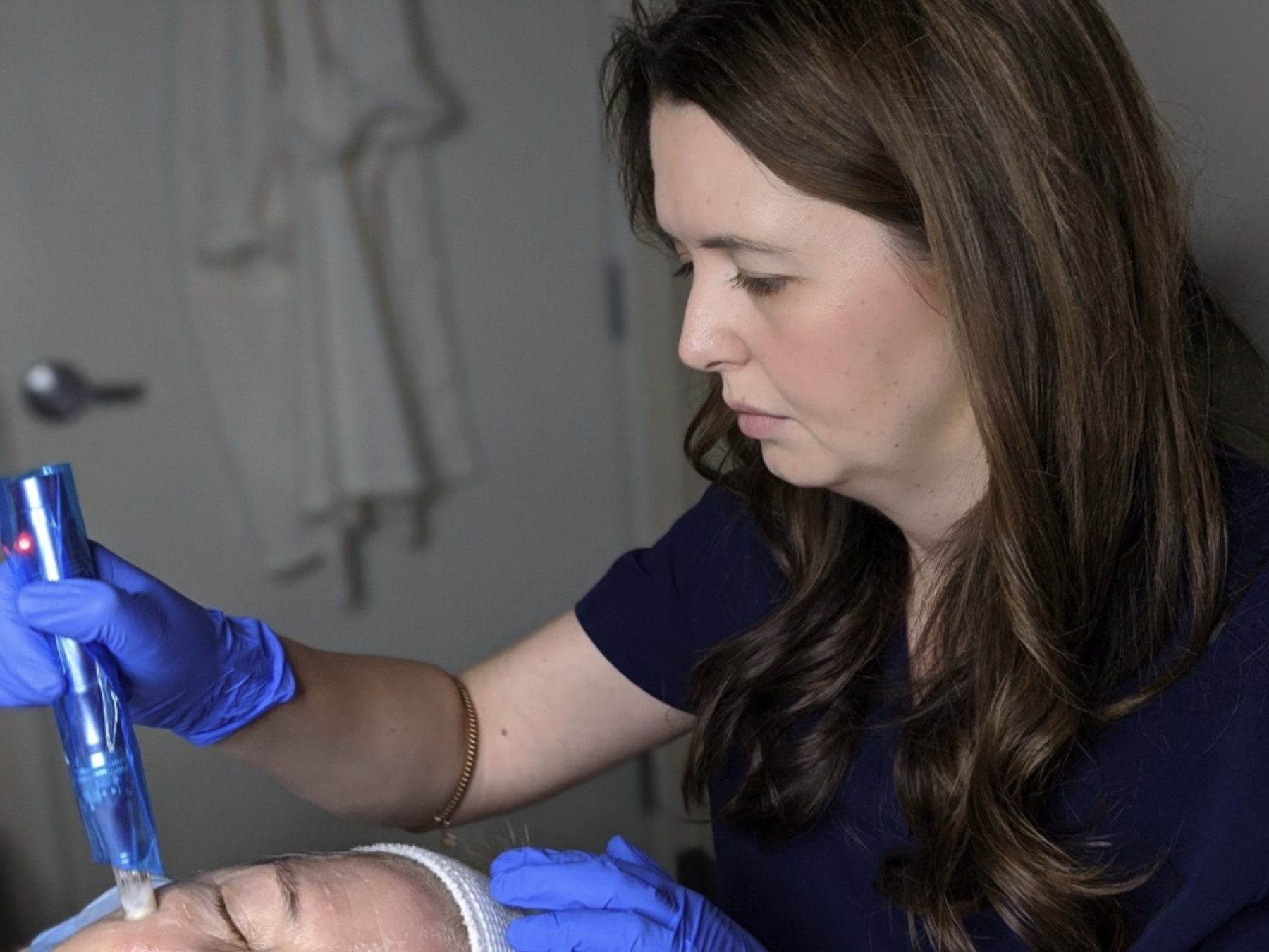
Why combine PRX, microneedling, PRP, filler, neuromodulators or Sculptra?
Different tools address different layers: surface quality, collagen signaling, movement, support and volume. Combining smaller, well-timed treatments can be more balanced than asking one product to do everything.
Do you use ultrasound for filler?
Yes. We are one of the few clinics using this state-of-the-art technology when injecting filler. Ultrasound lets us map blood vessels, assess existing filler and guide treatment in real time to reduce the risk of vascular occlusion. We do not guess where vessels are or where we are injecting.
What if filler migrated or I want it reversed?
We assess what product may be present, where it sits and whether swelling or another issue is involved. Hyaluronic-acid filler may sometimes be dissolved with hyaluronidase; the plan depends on urgency, product, anatomy and goals.
Why do neuromodulators sometimes stop working?
Apparent “resistance” may reflect dose, placement, muscle pattern, product handling, timing or true biologic nonresponse. Facial fatigue can also come from over-treatment, so less may be the better answer.
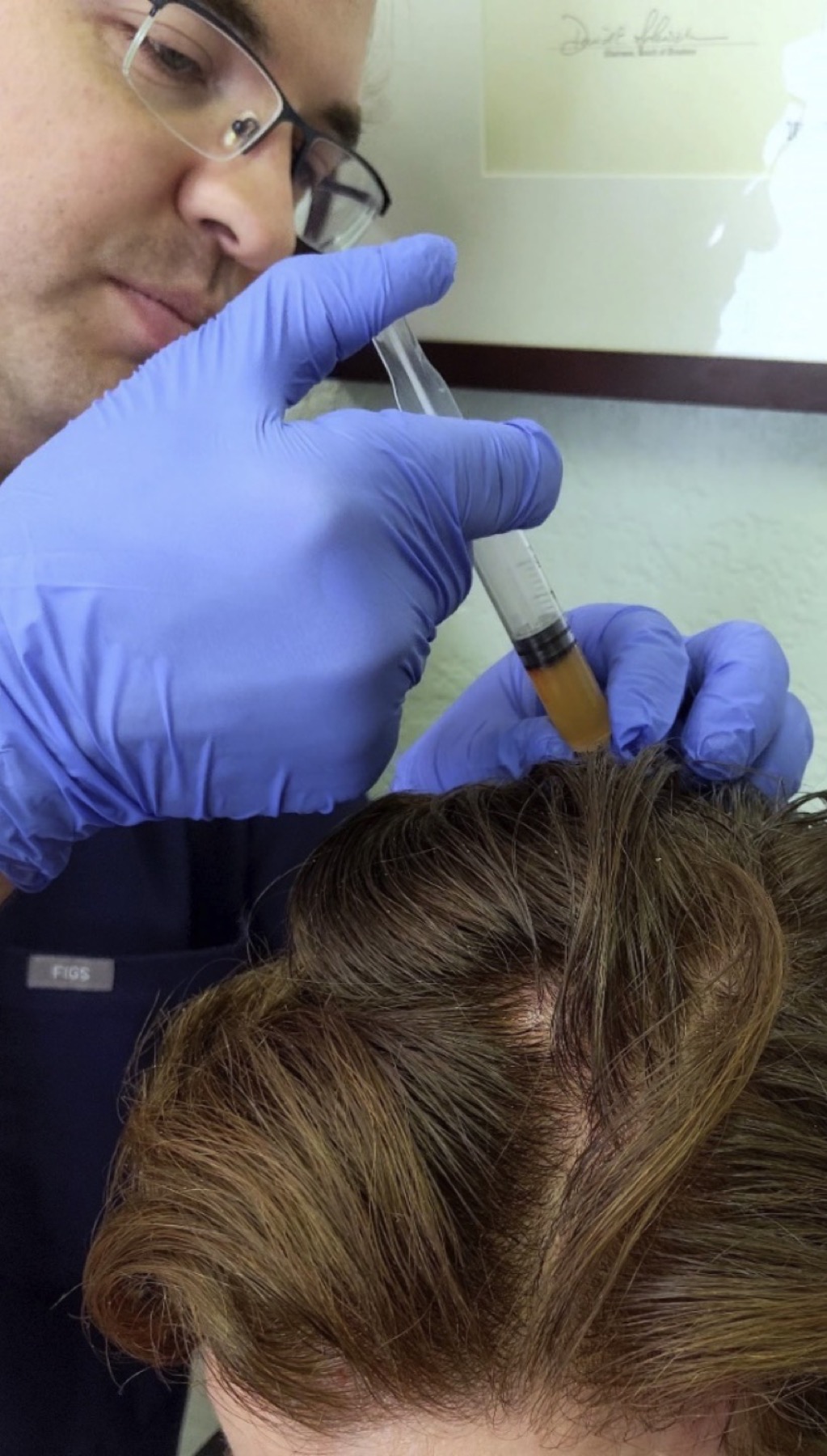
Do you treat hair loss?
Yes. Evaluation can include trichoscopy, pattern and timeline, medical or nutritional contributors, medications and scalp health. Options may include compounded topicals, laser-cap therapy, microneedling and PRP.
What skin services are available?
Options include customized facials, Hydrafacial, dermaplaning, chemical peels, PRX, microneedling and professional home-care planning.
Still wondering whether your question is worth asking?
It is. You will not be asked to diagnose yourself before we help you find the right starting point.